
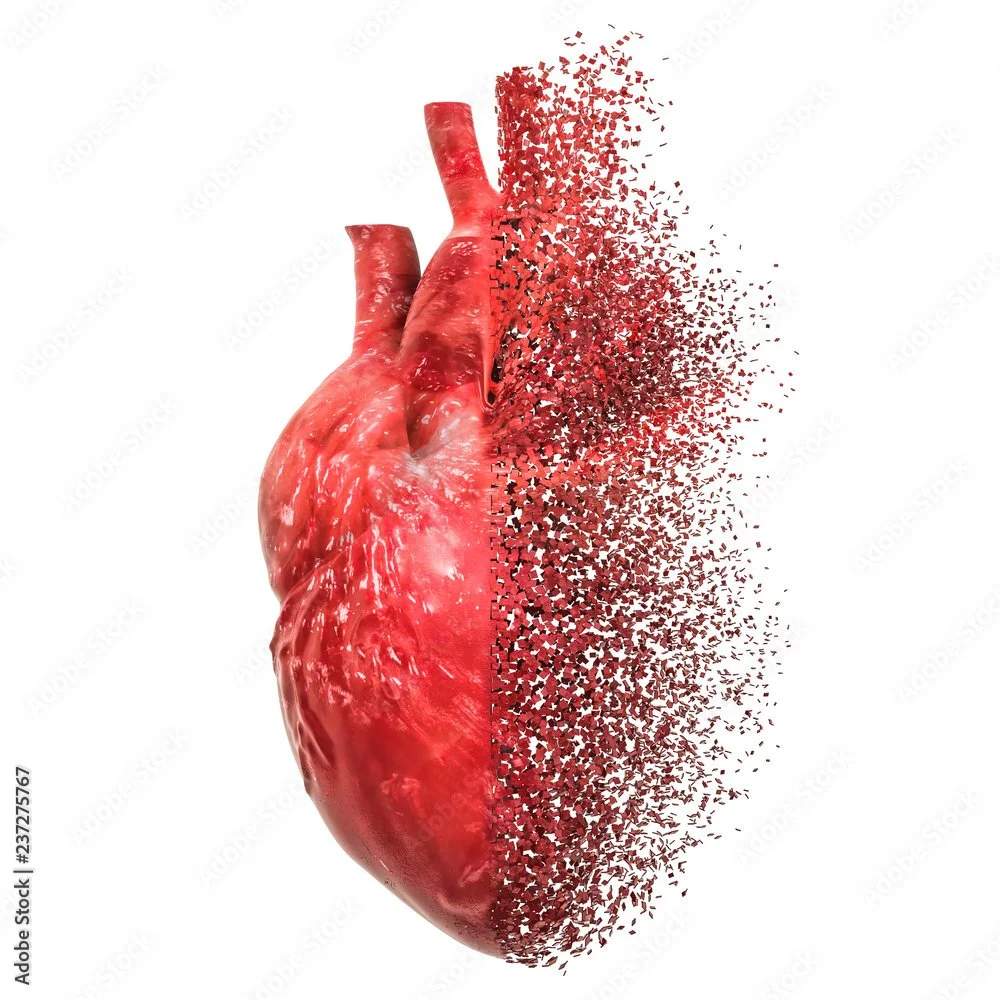
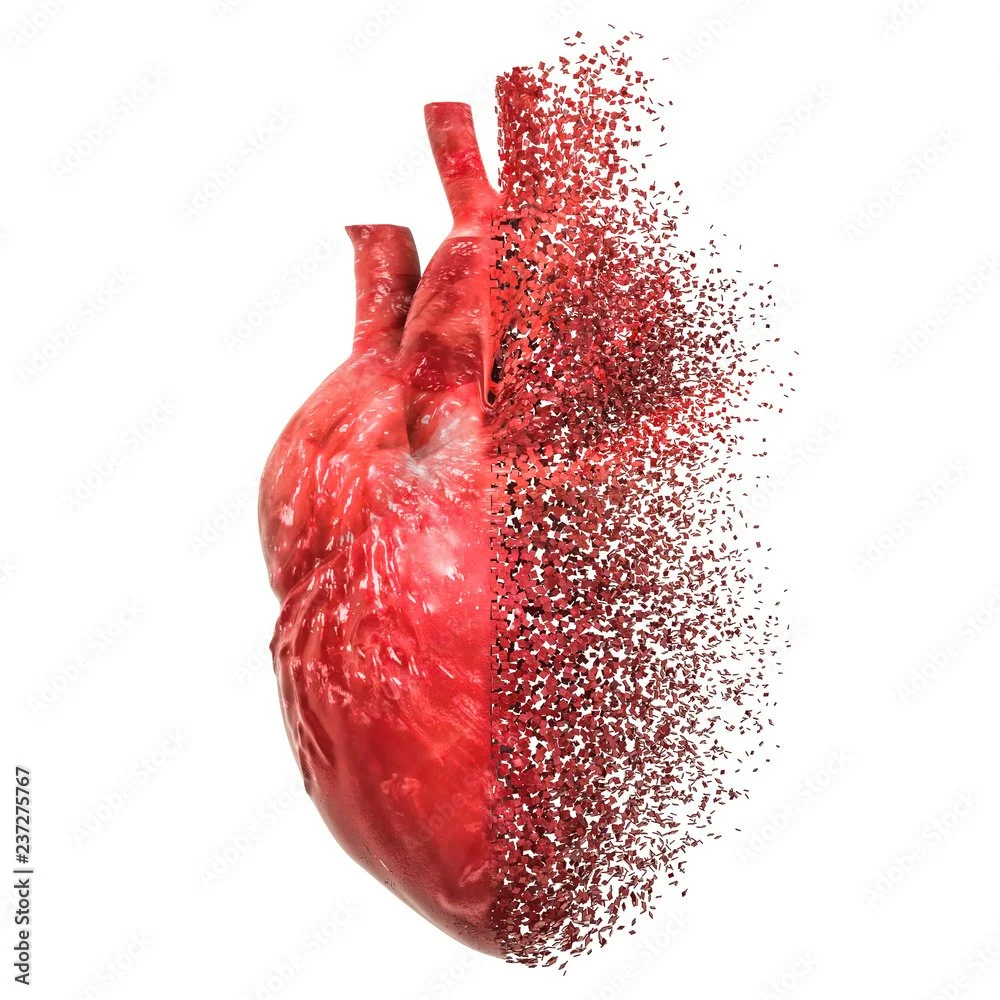
NOT YOUR HOLLYWOOD HEART ATTACK.
You know the scene: a man clutches his chest and falls. It’s dramatic and unmistakable.
Real hearts are rarely that theatrical. For many women, the signals are quieter and easier to explain away: I’m just tired. It’s probably stress. It’s menopause.
First, what’s true for everyone
Chest pain or discomfort is the most common heart attack symptom in both women and men, reported by roughly 90% of both Kaiser Permanente. This issue widens the picture rather than replacing it.
Where the picture widens
Women are more likely than men to experience shortness of breath, nausea, fatigue, abdominal pain, and dizziness. Back, neck, or jaw pain is also more common in women. Dr. May Bakir, director of the Women’s Heart Health Program at Loyola Medicine, points out that women often feel extreme fatigue or lightheadedness alongside classic signs—leading to longer delays from symptom onset to hospital treatment.
Takeaway: If something feels off or new, take it seriously. If you think you may be having a heart attack, call 911 immediately rather than waiting it out.
When the Arteries Look “Clear,” but the Heart Still Hurts
Women with angina are more likely than men to have INOCA (Ischemia with No Obstructive Coronary Arteries). They can be falsely reassured when standard scans show no major blockages.
INOCA includes conditions where the heart muscle isn’t getting enough oxygen-rich blood flow, even though the main arteries are open:
Microvascular Dysfunction: The tiniest blood vessels in the heart fail to dilate properly.
Coronary Artery Spasm (Vasospastic Angina): An artery temporarily tightens, causing tightness or pressure that often occurs at rest, during early morning hours, or at night.
While spasms affect both sexes, research published in Frontiers in Cardiovascular Medicine reveals a key difference: men are more likely to experience spasms in the large coronary arteries, while women are more prone to microvascular spasms.
Two more conditions worth knowing by name:
SCAD (Spontaneous Coronary Artery Dissection): A tear in a coronary artery wall that primarily affects younger and middle-aged women who seem otherwise healthy, particularly around pregnancy and postpartum.
Stress Cardiomyopathy (“Broken Heart Syndrome”): A temporary weakening of the heart muscle triggered by intense physical or emotional stress, seen most often in postmenopausal women.
What the New Guidance Adds
The landmark joint guidance from the American Heart Association and partnering societies asks clinicians to look beyond a single symptom or visit. Pregnancy complications—such as gestational hypertension, preeclampsia, and gestational diabetes—are recognized as female-specific risk enhancers, as are heavy or irregular menstrual cycles.
When you discuss symptoms with your care team, tell your whole story: your periods, your pregnancies, your family history, your sleep quality, and your emotional well-being.
A Note on Midlife
Estrogen helps keep your blood vessels responsive, flexible, and resilient. As estrogen levels decline through perimenopause and menopause, vessel responsiveness changes. Researchers are actively studying how these hormonal shifts contribute to small-vessel disease and spasms. Hormones are one crucial piece of a larger puzzle—one we will unpack further in Issue 3.
For Every Heart
A quick note for the men in my community, and for anyone who loves one:
The Hollywood version doesn’t describe every man’s heart attack either. Many people—regardless of gender—dismiss early discomfort. Coronary spasm is common in men too, though large-artery spasm is more frequently diagnosed in male patients.
The core takeaway for every heart is identical: new, unexplained, or persistent symptoms deserve attention, and an initial clean scan doesn't always tell the whole story.
This Week’s Invitation
Notice the language you use when dismissing your own body’s signals.
Log recurring symptoms: Write down when they happen, what you were doing, and how long they last.
Share this issue with someone you love.
None of this is a diagnosis. It is attention—and attention is where care begins.
If you’d like to talk through where you are in your own health journey, I invite you to book a complimentary discovery call here.
Coming Next Week:
Issue 3: The Threshold Years. What perimenopause and menopause change in your heart, and why the new guidance calls midlife a crucial inflection point.
Warmly,
Lisa Marlene Thompson, BA, FNTP
Integrative & Functional Nutritionist · Women’s Health Practitioner · Somatic/Embodiment Teacher
This newsletter is educational and is not a substitute for medical advice. If you experience chest pain, pressure, shortness of breath, or other symptoms, seek emergency care or contact your clinician.

Lisa Marlene Thompson is a Integrative and Functional Nutritionist, somatic/embodiment movement teacher, and health and lifestyle guide for anyone ready to feel more alive in their body. With advanced certifications in menopause science with Dr. Stacy Sims, somatic movement with Michaela Boehm, and sleep and brain health informed by the research of Lisa Mosconi and Matt Walker, her work sits at the intersection of cutting-edge science and deep body wisdom.
Her signature program — Strength, Sleep & Sensuality — is an invitation to come home to your body: to build real strength, reclaim restorative sleep, and rediscover a nervous system that is grounded and provides aliveness in the body that belongs to this chapter of life. She is based in Los Angeles and works with clients worldwide.
Your most vibrant chapter is still ahead.
I'd love to explore what's possible together → Reach out: lisa@lisamarlenethompson.com